
A capital campaign is the right tool when an organization has a goal too large to fund through annual giving alone, a BHAG, a big, hairy, audacious goal, that will substantially change the organization’s impact. Before setting a dollar figure, two separate steps have to happen: a needs assessment, which defines exactly what the money is for and what it will cost, and a feasibility study, which tests that menu, dollar goal, and timeline against real donor and stakeholder feedback.
Run a real feasibility study, not a formality
A feasibility study should include at least 60 confidential interviews across board members, previous donors, lapsed major donors, foundations, and corporations, not the 30 or so some firms treat as sufficient. That volume of feedback is what allows a firm to confidently recommend a campaign menu that will sell, a dollar goal that is achievable, and a timeline that fits the organization’s actual readiness, rather than an optimistic guess.
Build the gift chart, and work it top down
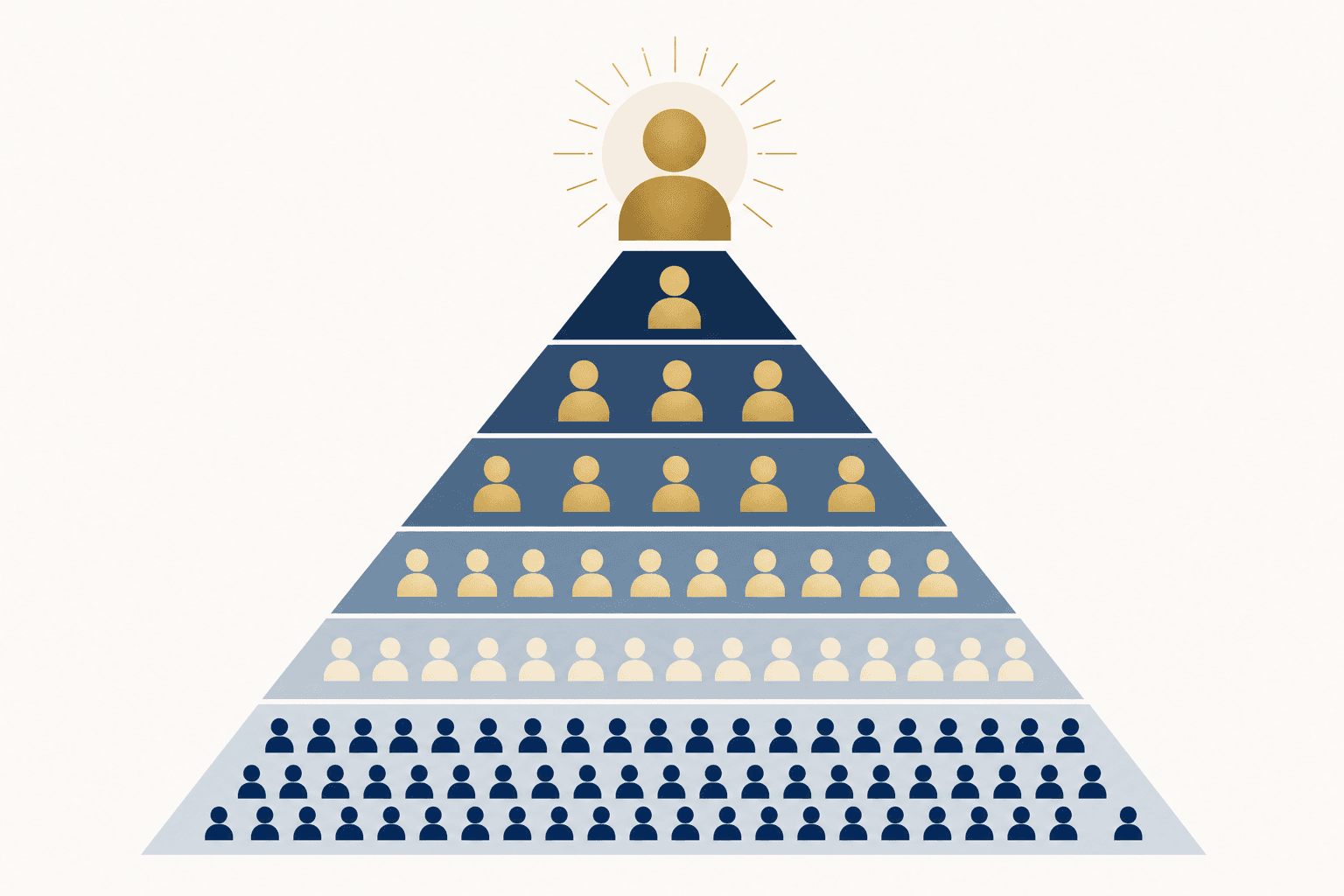
A gift chart is the roadmap for exactly which gifts have to close to hit the goal, and it follows a fairly consistent pattern. For a $10,000,000 campaign as an example: the lead gift should be roughly 20 percent of the goal, the second gift around 10 percent, and the top 10 gifts combined should account for close to 60 percent of the total. Mid-level gifts typically fill another 20 percent, and gifts under $25,000 fill the remainder. For every one of those top 10 gift levels, identify three prospects capable of it, not one.
A successful capital campaign starts at the top and works down. In the quiet phase, you are not down soliciting $25,000 gifts, that’s too soon. Your focus is the top 10.
If an organization doesn’t have three prospects capable of the lead gift, that doesn’t mean the campaign can’t succeed, it means it will likely take longer. Checking the pipeline against the top of the gift chart before launch is one of the clearest early signals of whether a stated goal is realistic.
The board has to have skin in the game
100 percent board participation in a campaign is non-negotiable, not because boards typically give a large share of the goal (a common target is 10 percent of the campaign total, though few boards actually hit it), but because many foundations and corporations simply will not fund a campaign without full board participation. Every board member should also be expected to bring their personal network of prospects to the campaign, whether or not they serve on the campaign committee itself.
Recruit real campaign leadership
Alongside the gift chart, campaign volunteer leadership is the other factor that most determines success. A campaign chair or co-chairs should lend their name to the effort, make a pacesetting gift that qualifies as one of the top 10, help recruit and lead a committee of roughly 12 to 15 people, and personally solicit peers, work volunteers do best precisely because it’s peer to peer. A typical time commitment for a chair or co-chair runs 10 to 15 hours a month; committee members, closer to 10.
Don’t launch publicly until the quiet phase has done its job
Aim to raise at least 50 percent of the campaign goal quietly, from top prospects, before any public announcement, some organizations target 70 percent in more uncertain economic periods. This protects the campaign’s credibility at launch and ensures the largest donors get first choice of the best naming opportunities, since major donors are solicited before the public and community phase moves down the gift chart to mid-level and smaller donors.
A public or community phase is worth running even after the quiet-phase goal is technically met: it’s a genuine opportunity to add new donors to the pipeline, re-engage lapsed supporters with an exciting BHAG case, and increase mid-range gift sizes, using every channel available, phone, direct mail, email, social, and text.
See how Catapult’s capital campaign consulting builds the gift chart and runs the quiet phase with your leadership. Considering a capital campaign and want an honest read on your gift chart and readiness? Start a conversation with Catapult Fundraising.