Reports of the death of telemarketing have been greatly exaggerated, says Anthony R. Alonso, president, Catapult Fundraising (Henderson, NV). In fact, done the right way, telefundraising ranks second only to face-to-face meetings for garnering gifts.
“One of the things we hear all the time is telephone fundraising is dead. The truth of the matter is it’s not a question of whether we use telemarketing. It’s a question of how we use it.”
To get the most out of telephone campaigns, nonprofits should dial back on fancy technological techniques like predictive dialing, autodialing and robocalls. Instead, emphasize the personal, Alonso advises.
“If we’re good fundraisers, what we do is build relationships. The key is to personalize the process.”
To accomplish that goal, he recommends a two-step method:
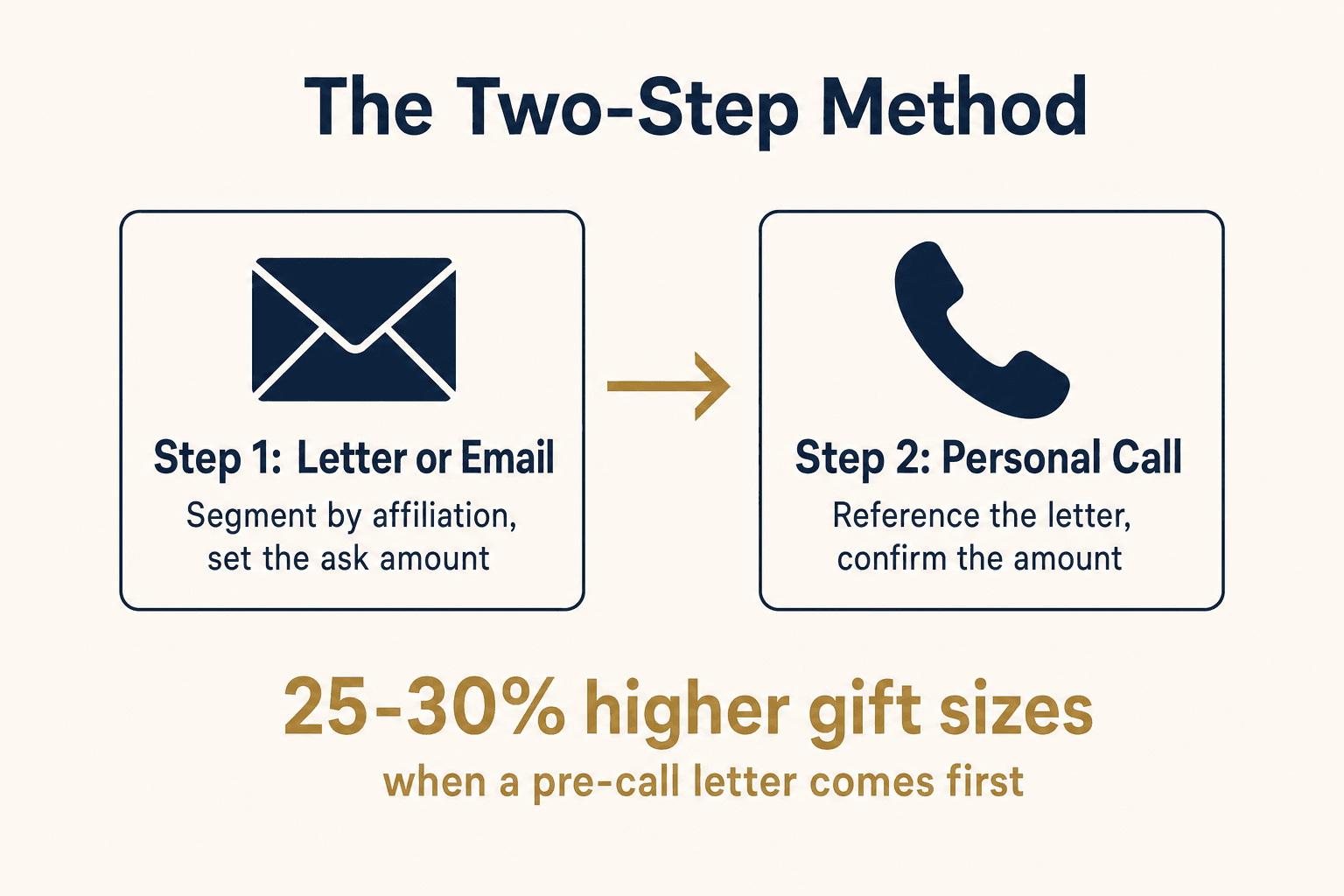
- Send a letter or e-mail to prospective donors. Use technology to segment your audience by affiliation. A university, for example, could target groups by class year or major. Technology can also help determine the right ask amount for each prospect.
- Follow up the written communication with a personal call from a volunteer, an employee or an outsourced telemarketing firm. Using the letter or e-mail as an icebreaker, the caller can start a conversation by asking if the prospect received it. Then the caller can refer to the donation asked for in the correspondence and ask the prospect how he or she feels about it.
“It becomes a very different dynamic than your typical confrontational telemarketing call. The caller is the facilitator rather than the solicitor. The solicitor is the person who signed that letter or e-mail.”
Combining a pre-call letter with a nonautomated phone call boosts the “reach rate,” enabling callers to speak with more prospects. In addition, gift sizes with this approach typically run 25 to 30 percent higher than without a letter or e-mail first, Alonso says. That’s mainly because rather than asking for the amount a donor gave the previous year, the caller can request the higher amount specified in the pre-call communication.
“You’re no longer leaving the onus of the ask amount on the person who’s making the call. It changes that dynamic as well, significantly increasing the gift size.”
See how we put this to work in our telefundraising and annual fund calling program, including results from colleges, nonprofits and health organizations.
Curious what a personalized, letter-first calling program could do for your annual fund or legacy giving pipeline? Start a conversation with Catapult Fundraising.