By Anthony R. Alonso, President and CEO, Catapult Fundraising

In our November 4 webinar, Diane Tuntland and I introduced an illustrative donor named Susan. She’s 74, has given between $300 and $500 a year for 22 years, owns appreciated stock and would like to do more for an organization she cares about. At the same time, she wants to protect the income she’ll need in retirement.
I suspect there are quite a few Susans sitting in nonprofit databases right now.
She’s probably not at the top of the annual giving report. Her name may not come up in conversations about major gift prospects. But look at her giving history. Twenty-two years of consistent support tells you something about her relationship with the organization.
And it raises an interesting question: Has anyone ever talked with her about a charitable gift annuity?
That was the starting point for our webinar, Turning Donor Relationships into Charitable Gift Annuities. Diane, founder, CEO and chief investment officer of Endowment Partners, joined me to discuss two important parts of the equation. Catapult helps nonprofits find and engage potential CGA donors. Endowment Partners helps organizations establish and manage the program that makes those gifts possible.
Both are important. Finding interested donors is one thing. Being prepared to accept and administer their gifts is another.
A meaningful gift with a lifetime promise
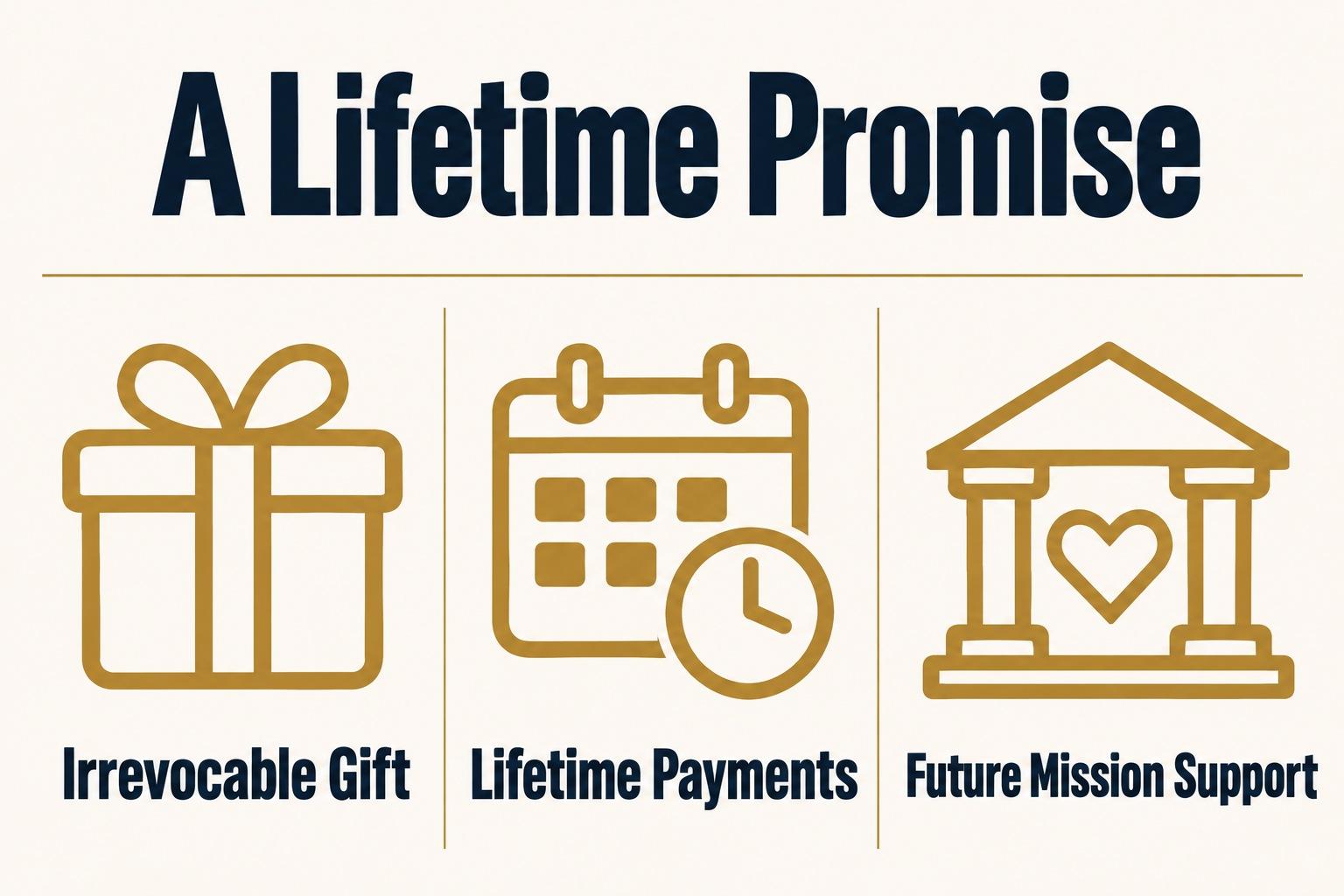
A charitable gift annuity, or CGA, is relatively straightforward in concept. A donor makes an irrevocable gift to a charity. In return, the charity agrees to make fixed payments for the lifetime of one or two people named in the agreement. When those payments end, the remaining funds support the charity’s mission, subject to the gift agreement.
There are two common approaches. An immediate annuity begins payments soon after the gift is made. A deferred annuity starts at an agreed future date. For someone approaching retirement, that second option can be particularly interesting.
Think about Susan. She has supported an organization for more than two decades. She wants to make a larger commitment, but she also needs to be comfortable with what that means for her financial future. A CGA might give her a way to accomplish both objectives.
There can also be tax advantages, depending on the donor’s circumstances and the assets contributed. Those benefits need to be evaluated individually, with the donor’s financial and tax advisers involved. It’s also important to understand that an annuity payment rate is not the same as an investment return.
For nonprofits, there is another side to this conversation. A CGA creates a financial obligation that may last for many years. The organization has to be prepared to make those payments, regardless of what happens in the market or how long the annuitant lives.
This isn’t a way to solve an immediate cash-flow problem. It’s a planned giving commitment, and the organization needs to be ready to honor it.
Look beyond last year’s giving report
When we look at a donor file, I’m less interested in who made the biggest gift last year than in who has been there year after year.
Some of the best planned giving prospects aren’t necessarily the people appearing at the top of your annual giving report. They’re the people who have quietly supported your organization for 15, 20 or even 25 years.
That history is worth looking at.
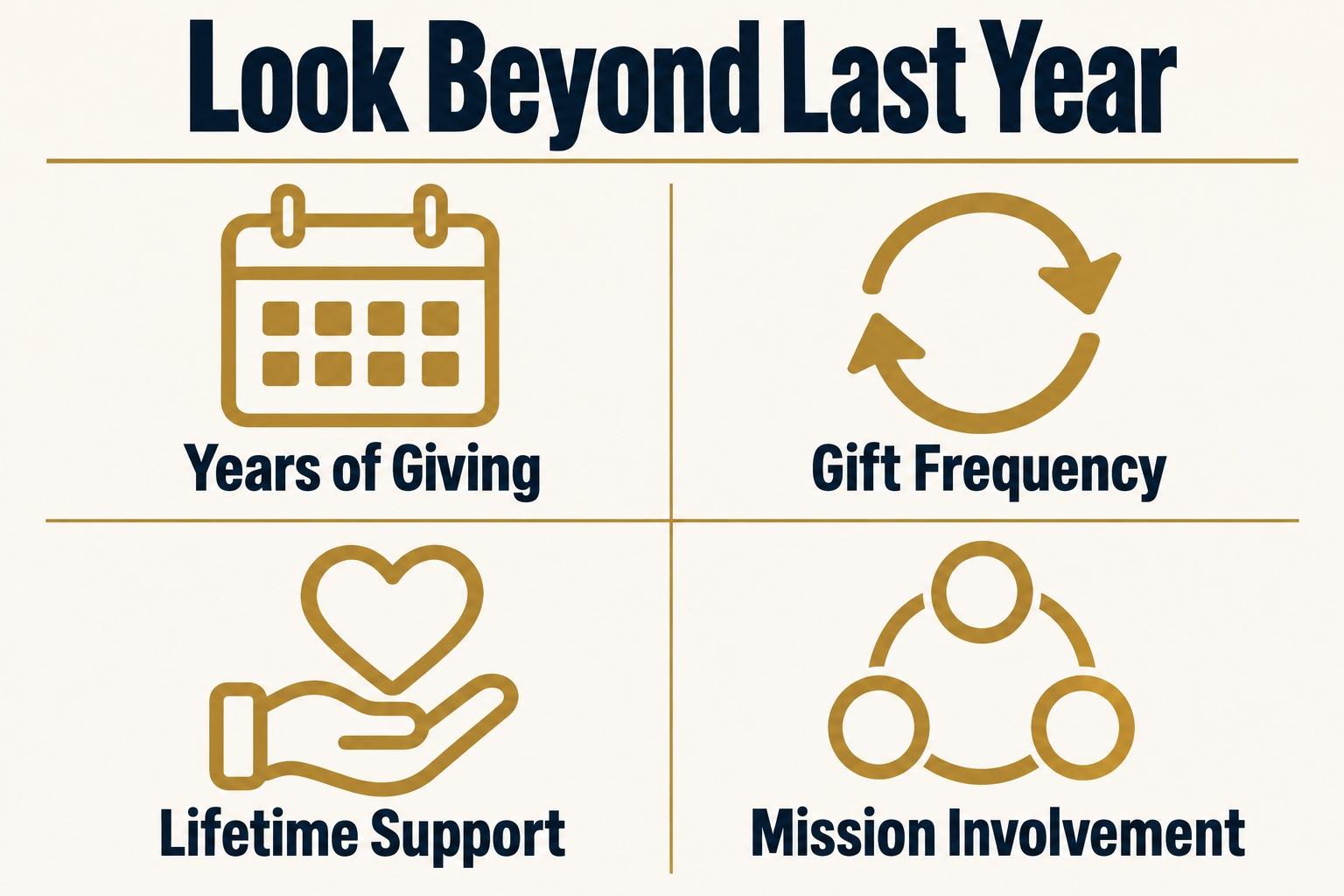
Start with consecutive years of giving, lifetime giving, gift frequency and the number of times someone has supported the organization. Then look beyond the financial information. Have they volunteered? Attended events? Served on a board? Participated in a legacy giving conversation?
These things help tell you whether someone has a deeper connection to your mission.
Wealth screening can add another layer. It may identify appreciated assets, business ownership or other indicators that make a conversation worth having. But wealth screening doesn’t tell you what someone wants to do with their money. It certainly doesn’t tell you whether a CGA is right for them.
That takes a conversation.
I’d also be careful about how the outreach list is developed. If a donor already has a relationship with a major gift officer or planned giving professional, coordinate with that person before making contact. The last thing you want is two different people approaching the same donor without knowing what the other is doing.
Turning donor loyalty into CGA conversations
This is where Catapult’s CGA calling services come into play.
We work with nonprofits that have strong donor files but don’t always have the staff or time to reach the people who could be interested in a gift annuity. Development teams are busy. Major gift officers have portfolios to manage. Planned giving staff may be stretched across several priorities.
Sometimes a good opportunity simply doesn’t get the attention it deserves.
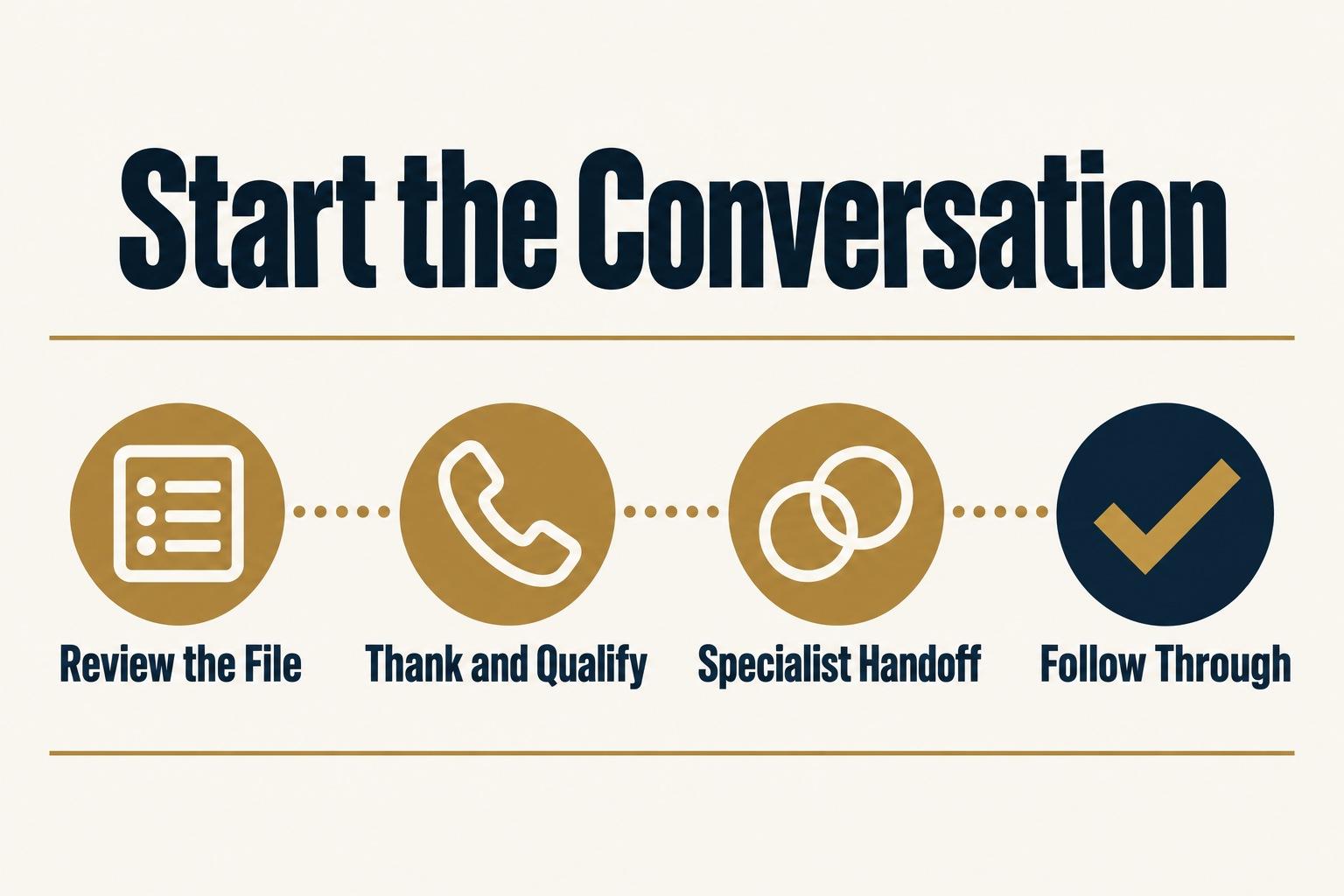
Our approach starts with the donor data. We work with the organization to identify potential prospects, review the outreach list and agree on the messaging before calls begin.
The initial conversation isn’t about asking someone to make a gift. It’s about thanking them for their years of support, learning more about their interests and determining whether they’d like to explore another way of giving.
Some donors will be interested. Others won’t. Some may want to talk with their children or financial adviser before taking another step. That’s perfectly fine. Nobody should feel pressured into a decision involving their financial future.
When there’s genuine interest, we connect the donor with a gift planning specialist who can discuss the opportunity in greater detail and coordinate individualized illustrations with the appropriate experts.
The handoff is important. Your development team needs to know what was discussed, what the donor is interested in and what should happen next. A qualified conversation is only valuable if someone follows through.
We can also coordinate pre-call letters, follow-up communications and ongoing stewardship. The objective is to give the development office more capacity without taking the personal relationship out of the process.
After all, these are people who have supported your organization for years. They deserve a conversation that recognizes that history.
If you have a donor file filled with longtime supporters who have never been approached about a CGA, it may be worth taking a closer look. Catapult can help you determine where the opportunities are and how to begin those conversations.
Having the program in place before the donor says yes
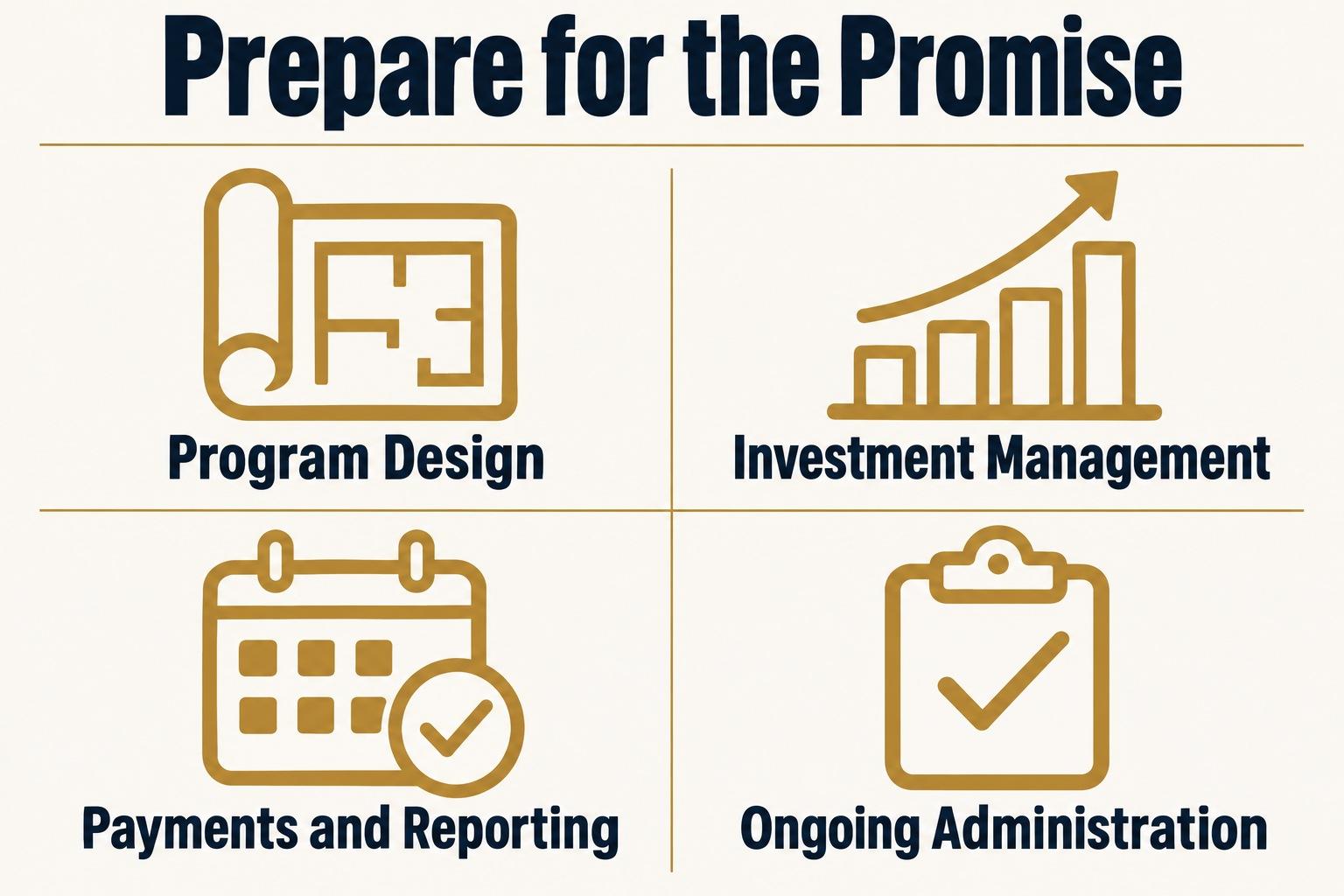
One point Diane emphasized during the webinar deserves particular attention: Don’t wait until a donor is ready to move forward to figure out how your CGA program will work.
I’ve seen organizations get excited about a fundraising opportunity without fully thinking through what comes afterward. With charitable gift annuities, that can create real problems.
Diane described how Endowment Partners works with nonprofits on the administrative and investment side of a CGA program. That can include donor illustrations, gift agreements, compliance review, investment management, annuity payments, tax reporting and fund accounting.
For organizations that don’t have those resources internally, having experienced professionals involved can make a significant difference.
There are still decisions the nonprofit and its board need to make. What minimum age will you establish? What is the minimum gift amount? Will you offer deferred annuities? Which assets will you accept? What rate policy will you follow?
The American Council on Gift Annuities publishes suggested maximum rates. Organizations also need to consider investment policies, liquidity, reserves and applicable state requirements. Qualified legal counsel and the program administrator should help review the requirements that apply to the organization and its donors.
Outsourcing the administration doesn’t outsource the responsibility. The charity is still making the promise to the donor and needs to understand the financial commitment it is accepting.
And don’t overlook stewardship.
Diane and I both talked about the opportunity that comes with having an ongoing relationship with someone receiving annuity payments. Payments and tax documents need to be accurate and on time, of course. But there’s also an opportunity to keep these donors connected to the organization and show them the difference their philanthropy continues to make.
That’s a relationship worth nurturing.
Organizations interested in establishing a program or strengthening an existing one should talk with Endowment Partners about its CGA program support and administration services.
Start with a realistic assessment
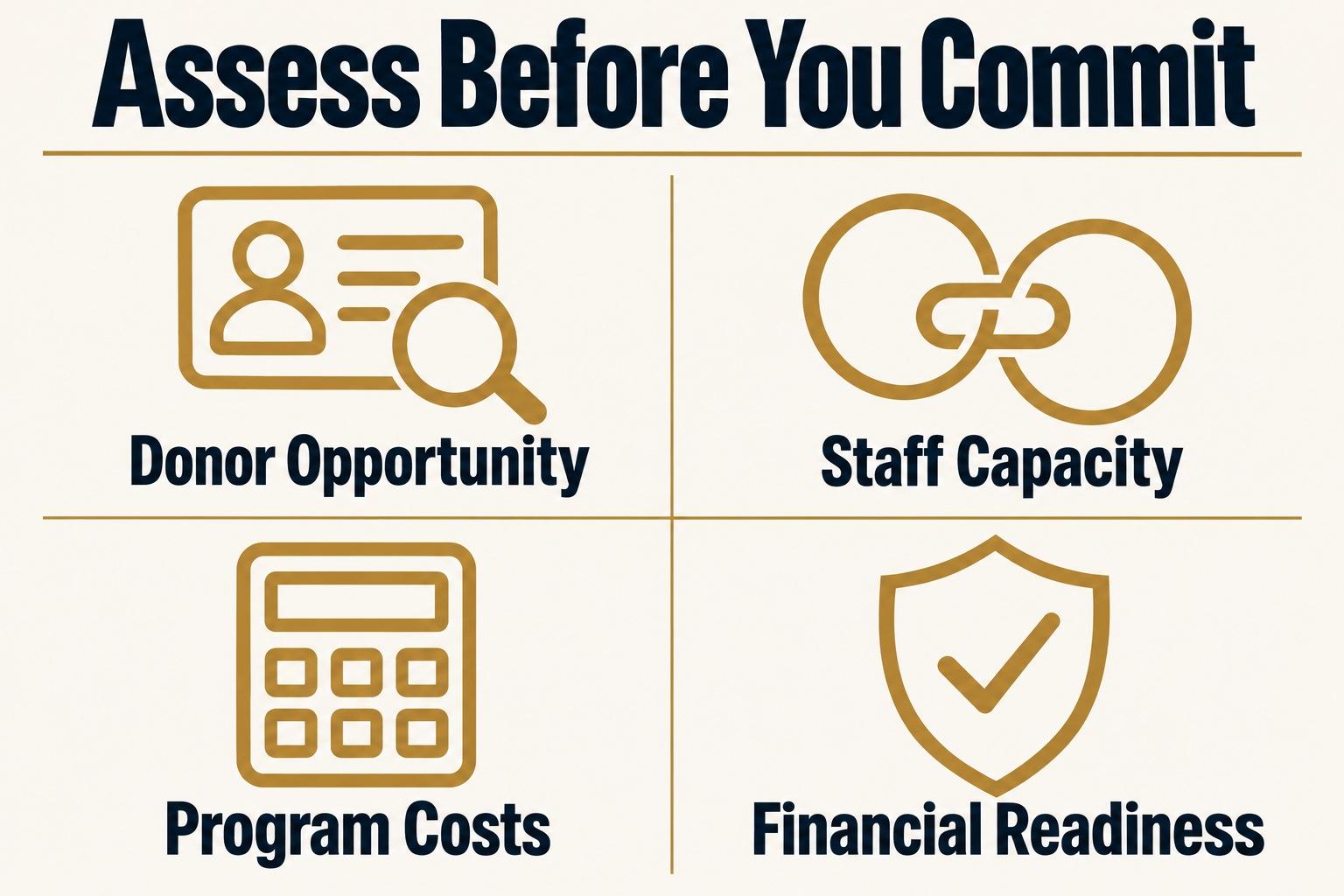
One of the questions during our webinar was about the workload for a smaller development office. It’s a good question, and one that shouldn’t be brushed aside.
A CGA program takes more than identifying a few interested donors. There are administrative costs, investment considerations, regulatory requirements and long-term payment obligations. A small number of contracts can also concentrate financial risk.
For some organizations, the right first step may be to evaluate the opportunity rather than immediately launch a program.
Look at your donor base. How many longtime supporters might be appropriate prospects? Do you have the staff to manage the relationships? What would it cost to establish and administer the program? Do you have the financial capacity to take on the obligations?
During the webinar, I suggested that an organization could begin its outreach with a group of 50 donors, assuming that was manageable for its team. That’s a starting point for testing donor interest, not a recommendation to issue annuities before the organization has the necessary infrastructure in place.
Some nonprofits will find that a CGA program makes sense, particularly with the right outside support. Others may decide that their immediate priority should be strengthening their bequest and legacy giving efforts.
There isn’t one answer for every organization.
What matters is understanding the opportunity before making a commitment.
Catapult and Endowment Partners bring different but complementary capabilities to this work. We can help nonprofits identify potential donors and start the conversations. Diane and her team can help organizations put the program in place and manage its ongoing responsibilities.
Ultimately, the relationship belongs to the nonprofit, as does the responsibility for the promise it makes to the donor.
I’d like to thank Diane Tuntland for joining me and sharing her experience. The webinar reinforced something I have believed throughout my career in fundraising: We sometimes spend so much time looking for new prospects that we overlook the tremendous potential already sitting in our donor files.
Susan may be one of them.
She’s been giving for 22 years. Perhaps it’s time someone asked her if she’d like to do something more.
Explore Catapult’s CGA calling services
Discuss your donor file, qualification calls and specialist follow-up.
Start a conversationExplore Endowment Partners’ CGA services
Discuss program design, investment management and ongoing administration.
Start a conversation